








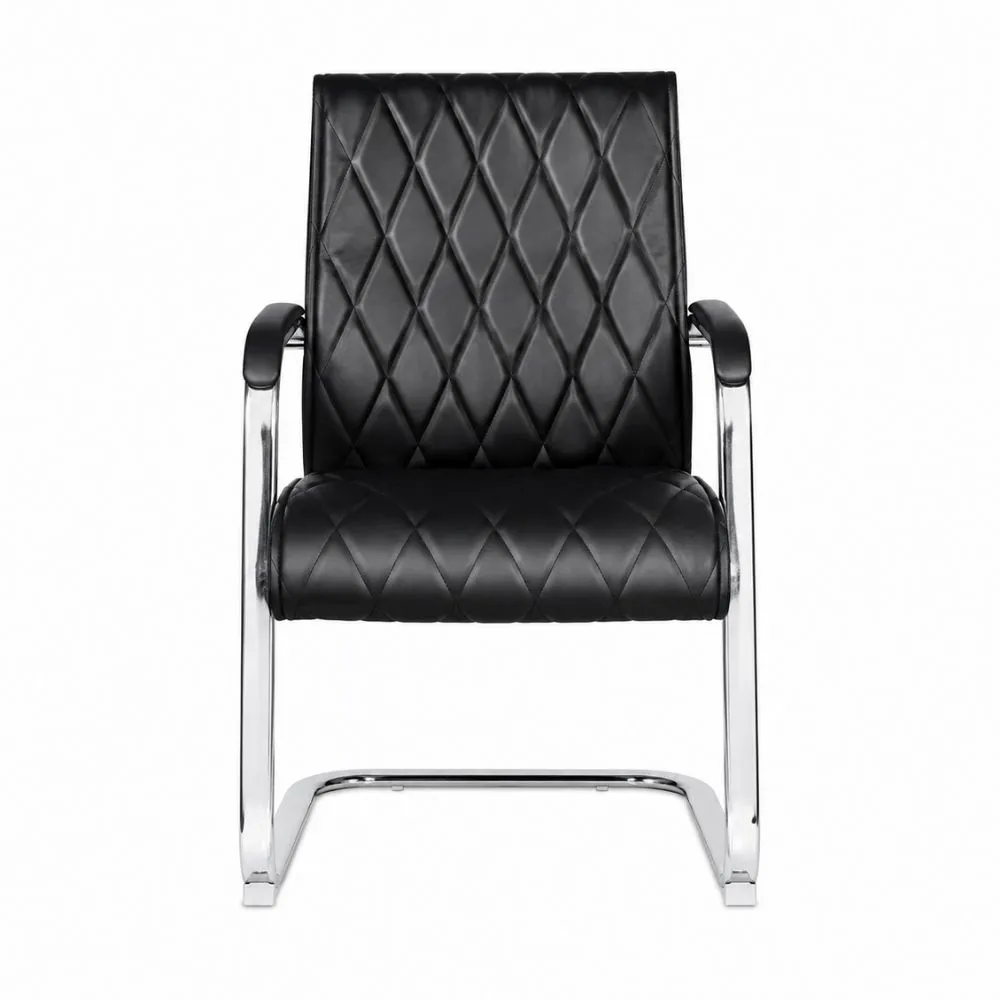
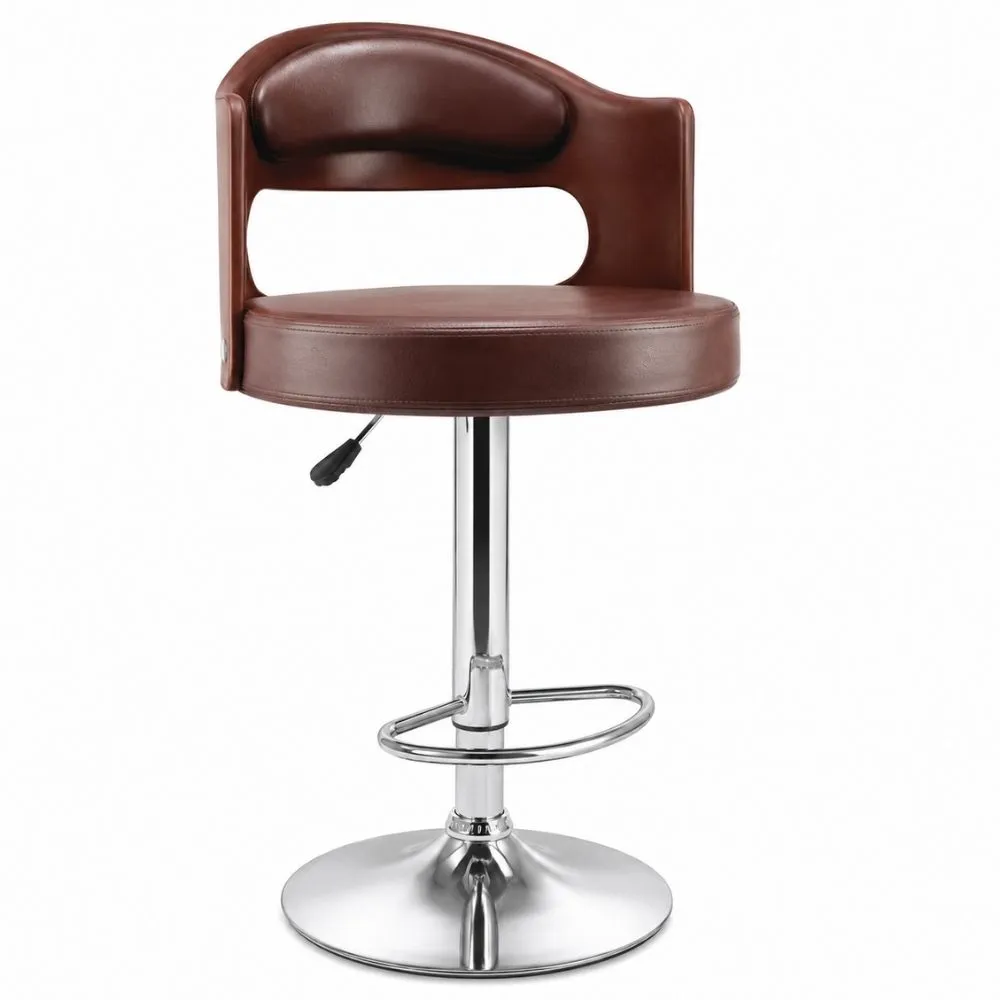
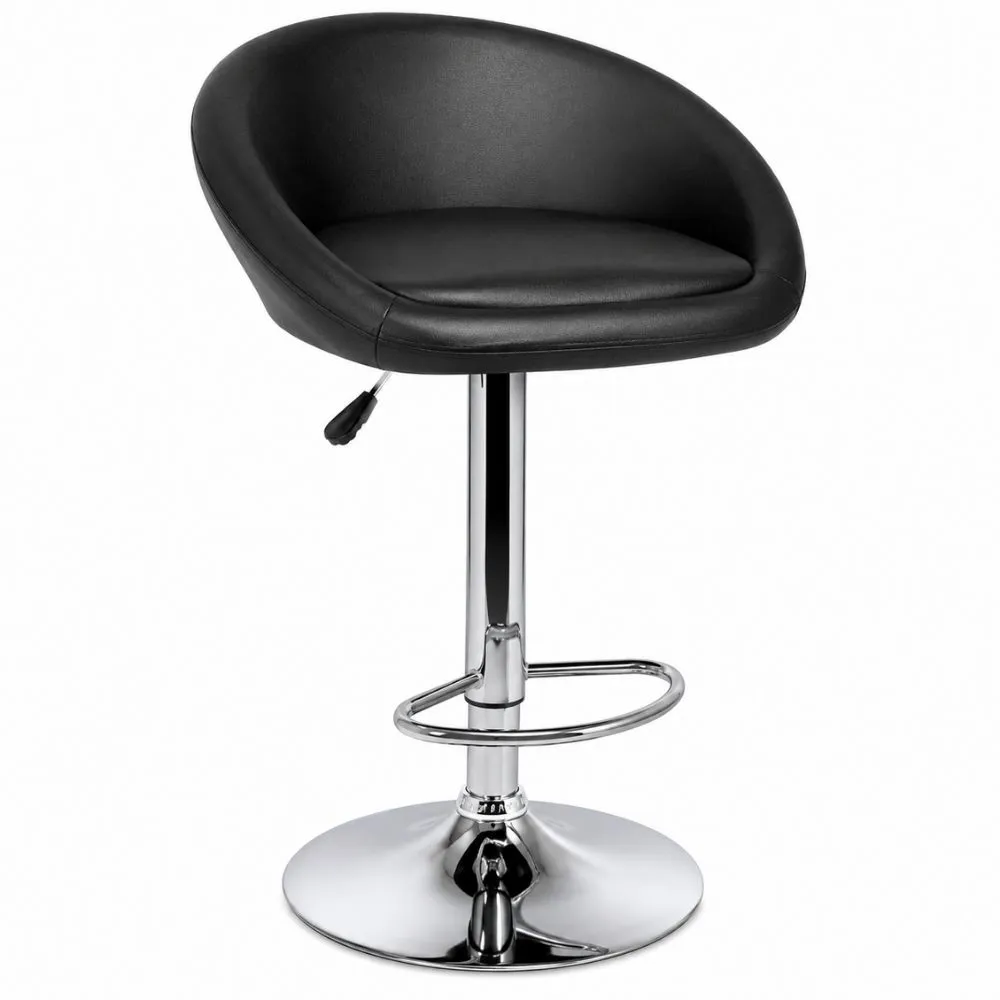
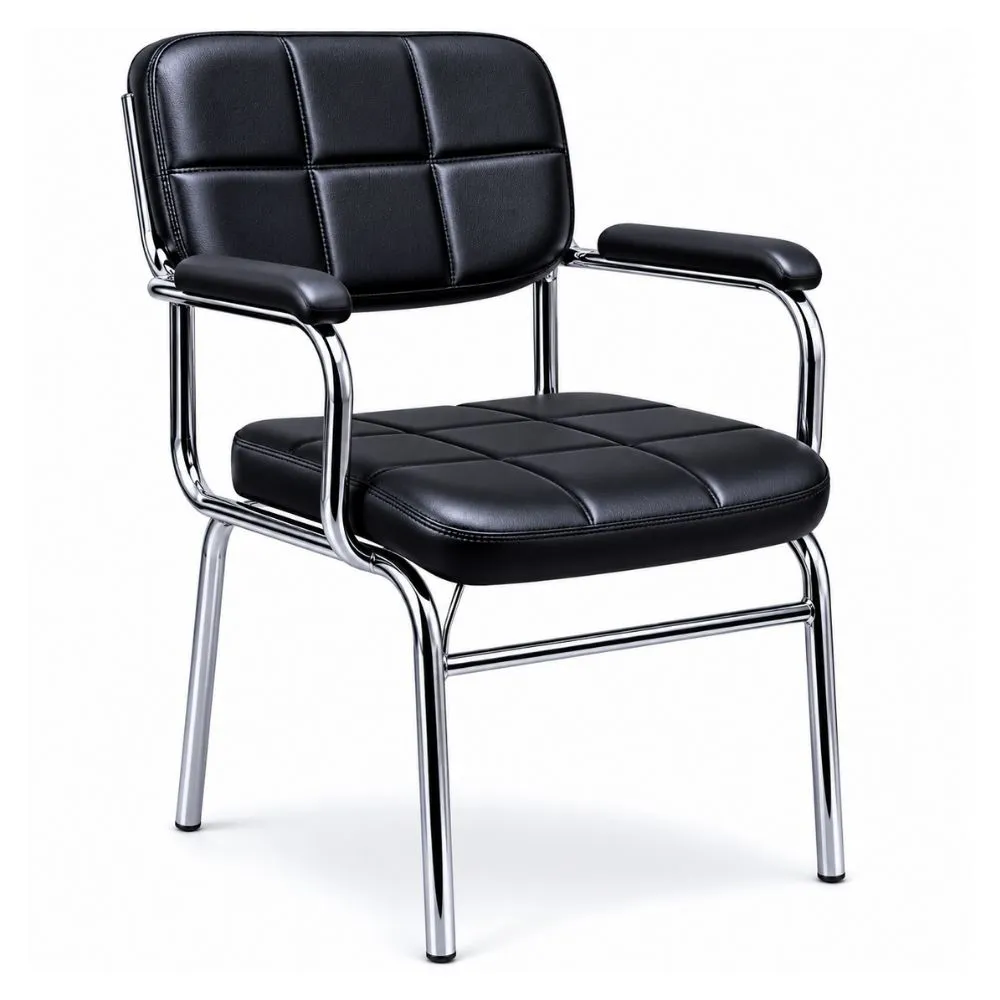


Choosing furniture for a school, college, coaching centre, training institute, hospital, office, or other institution is not the same as buying furniture for a home. Institutional furniture has to handle regular use, different users, limited maintenance time, and often large quantities. A reliable institutional furniture supplier in Ghaziabad should therefore offer more than attractive designs. The supplier should understand durability, comfort, safety, customization, delivery, installation, and long-term usability.
For institutions, furniture is a long-term investment. A poorly selected desk or chair can become uncomfortable, damaged, or difficult to maintain within a short period. On the other hand, properly planned furniture can support better space utilization, organized classrooms, comfortable working conditions, and a more professional environment.
What Is Institutional Furniture?
Institutional furniture refers to furniture designed for organizations and facilities where many people use the products regularly.
It can include:
- School desks and benches
- Classroom chairs
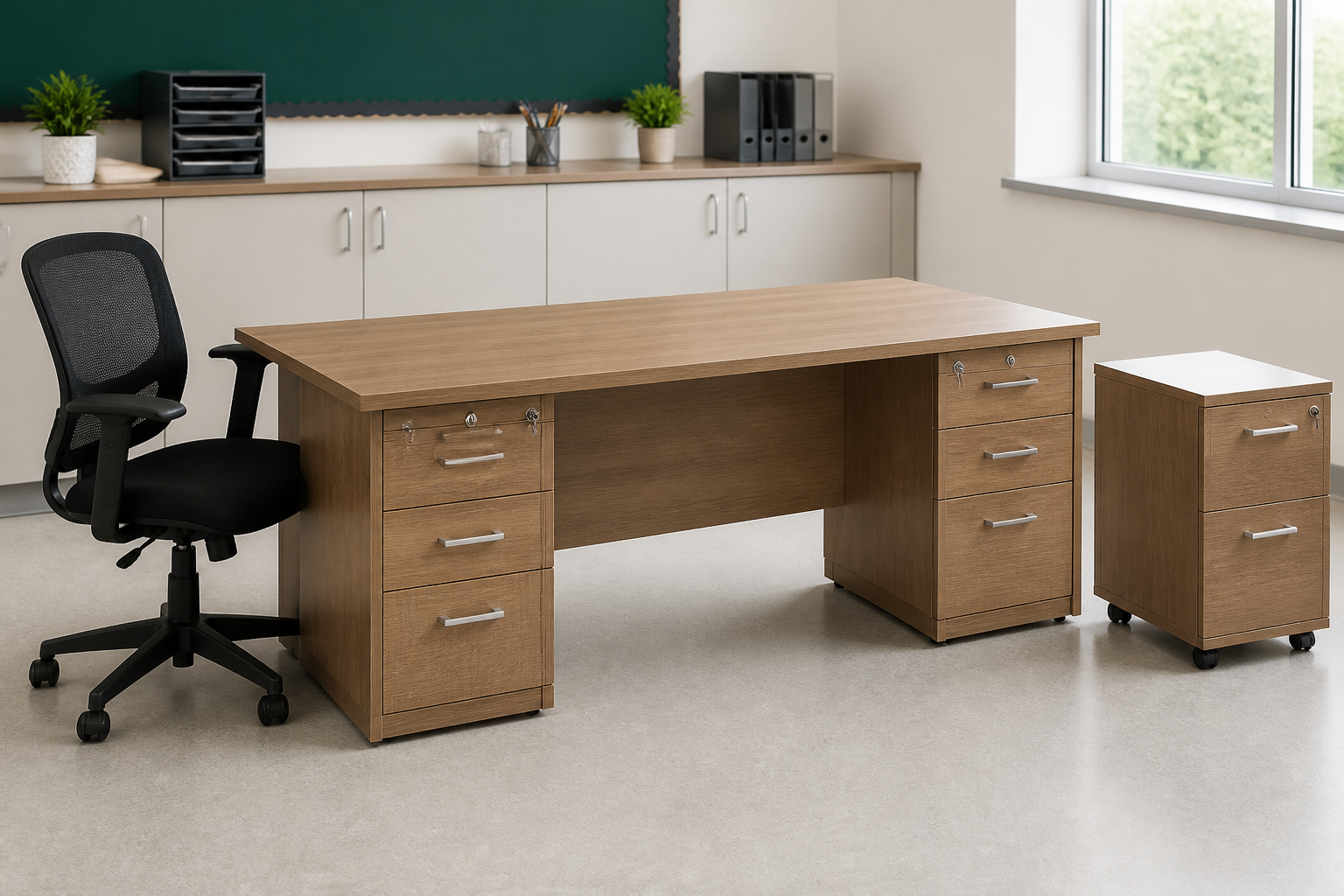
- Teacher tables
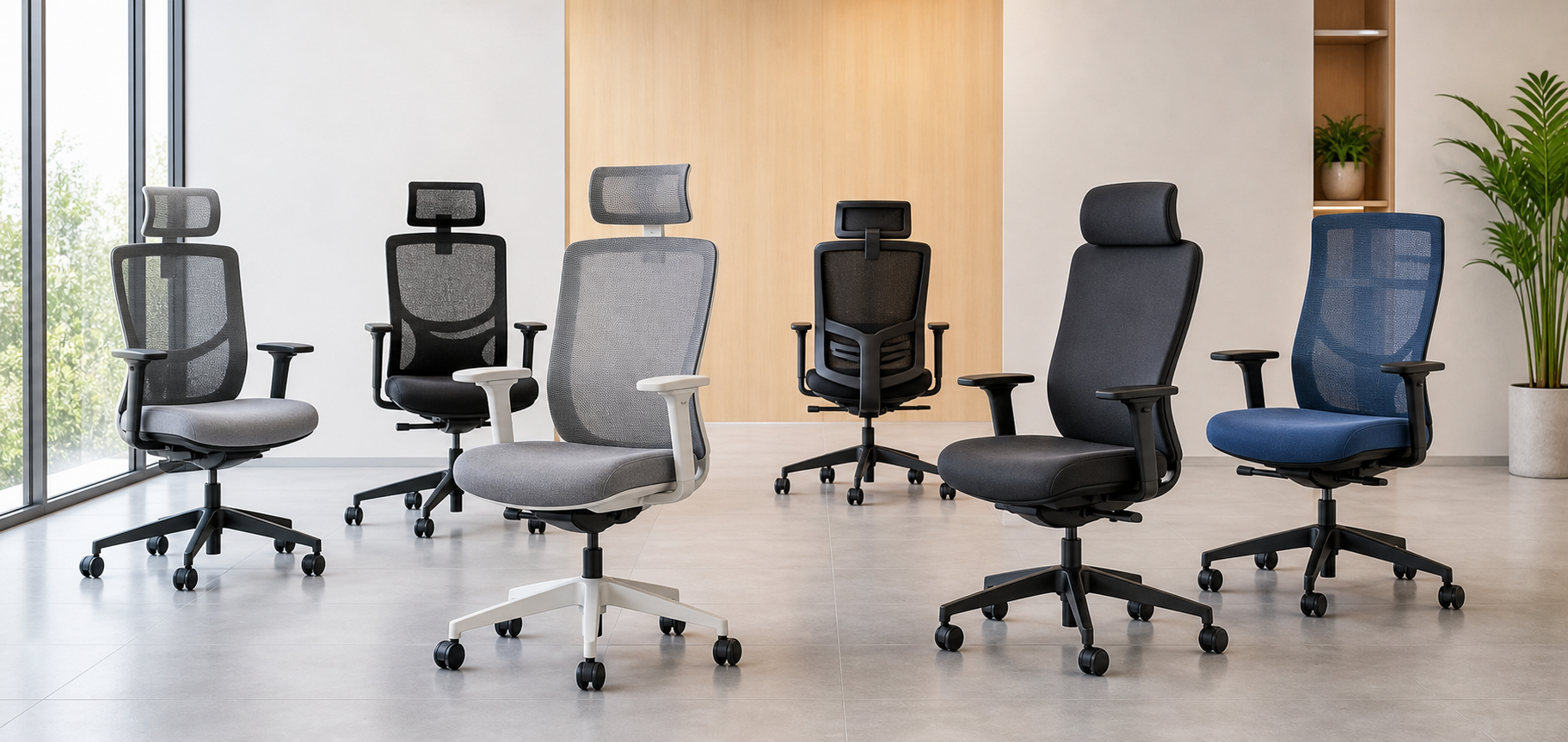
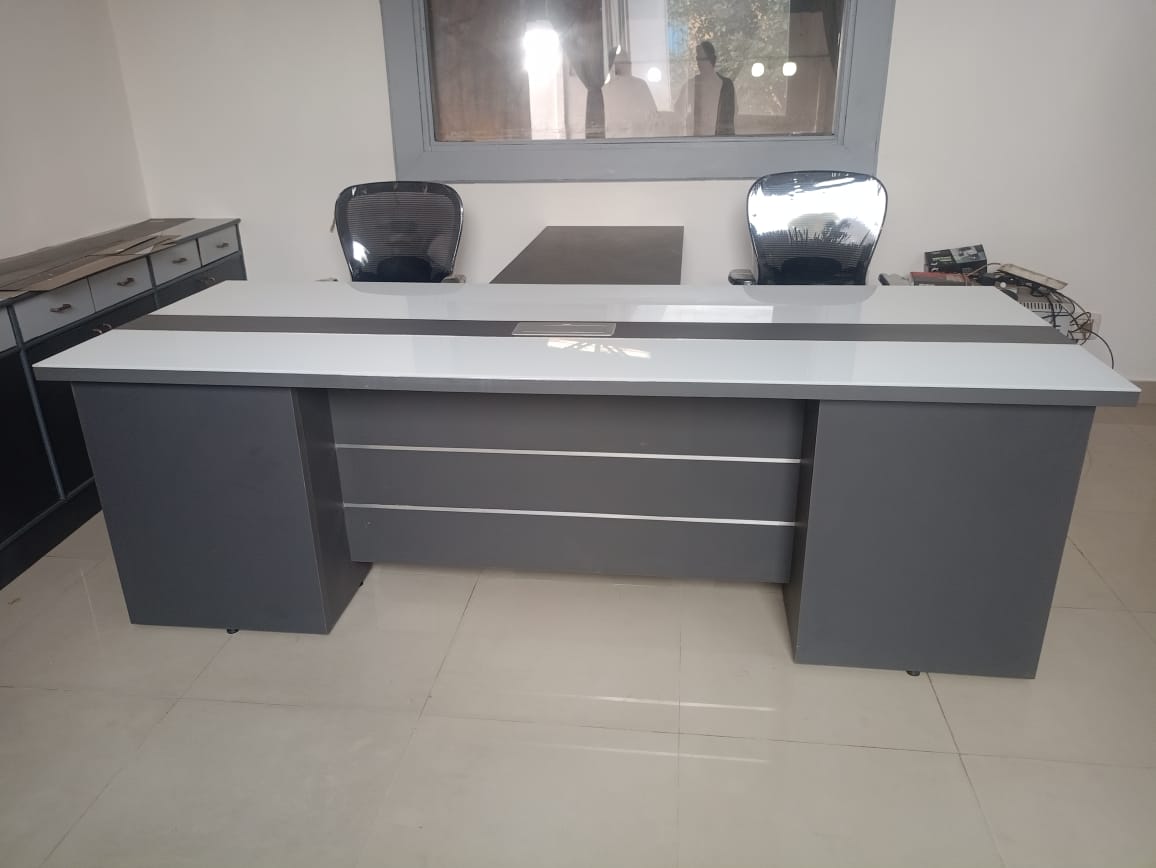
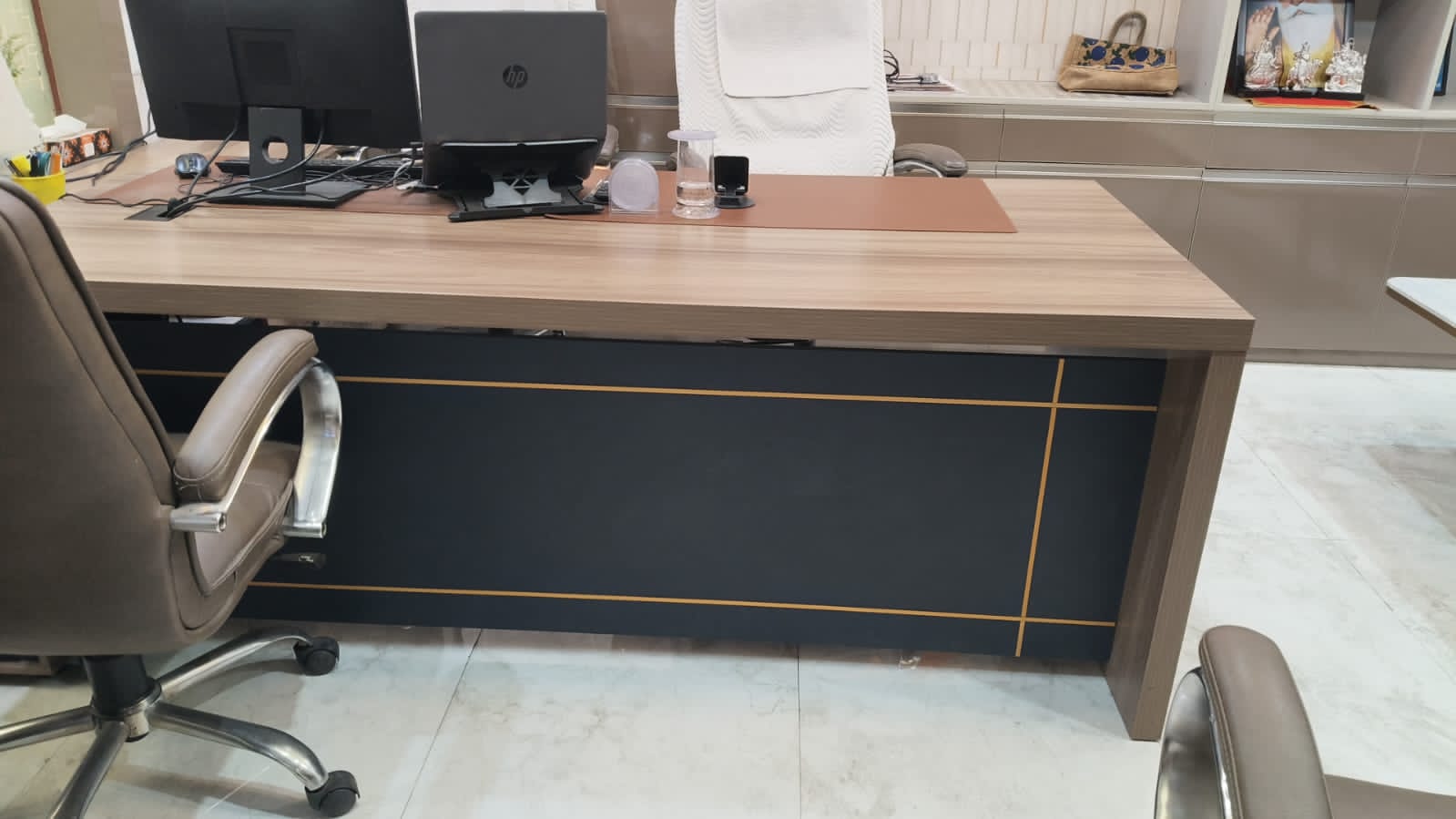
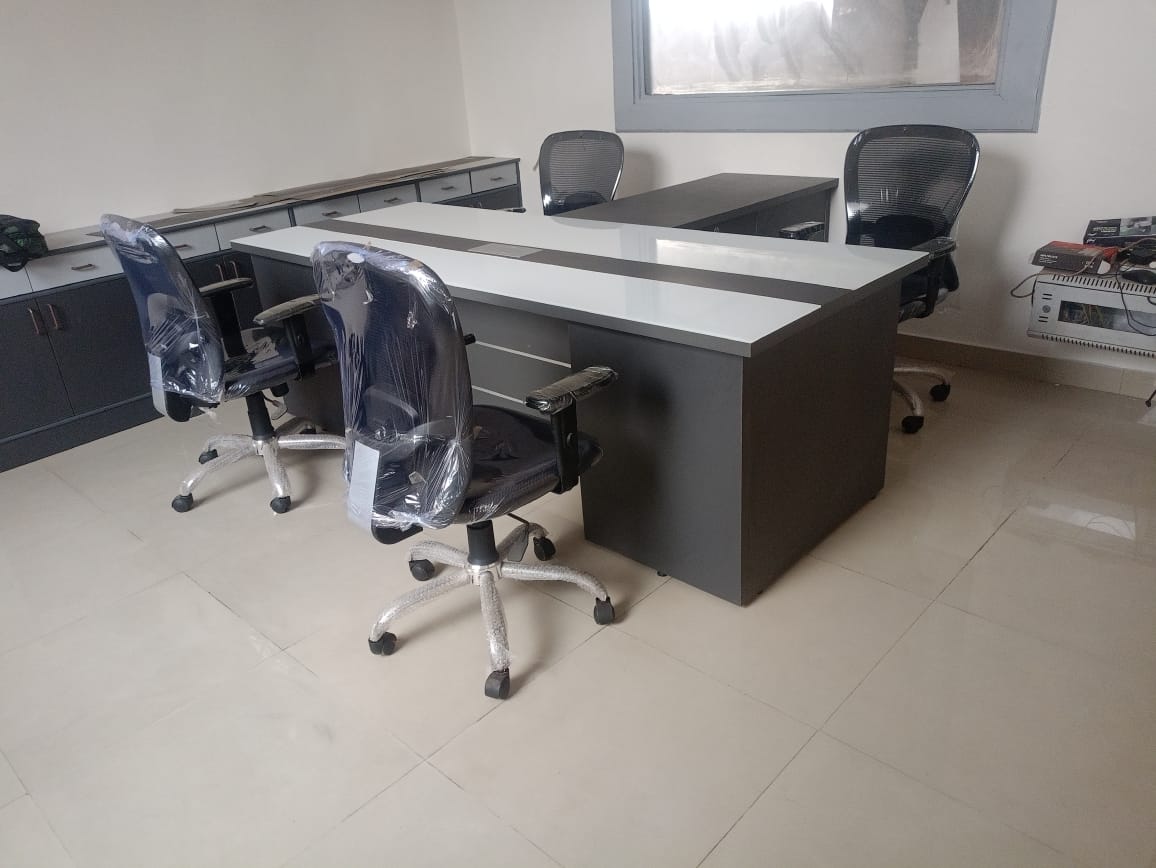
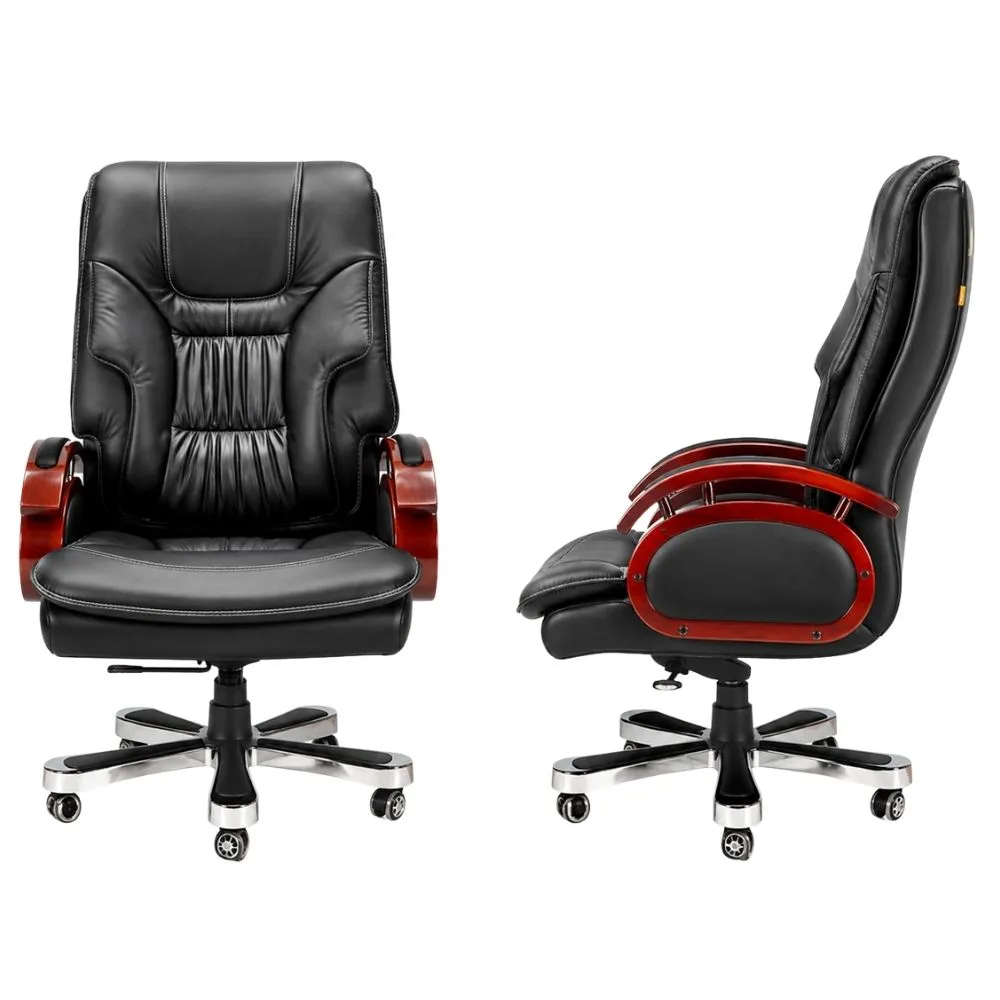
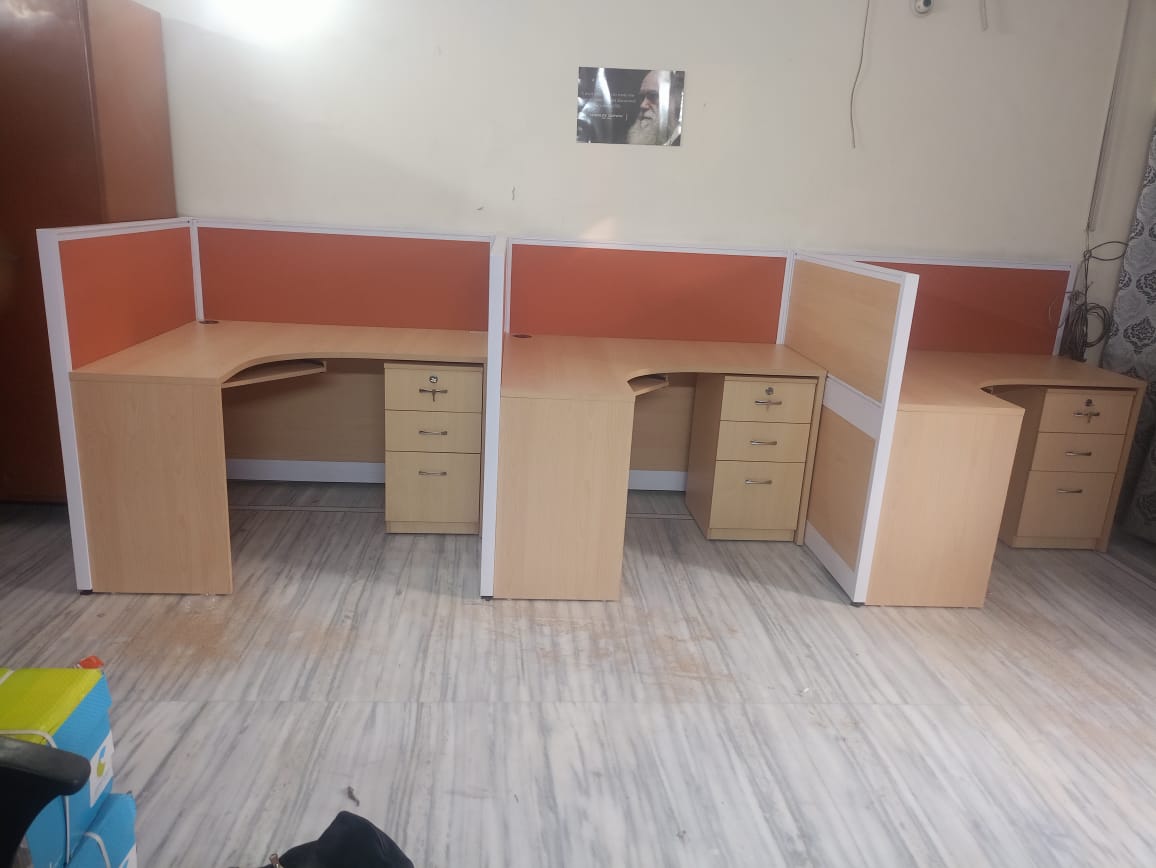
- Office tables and chairs
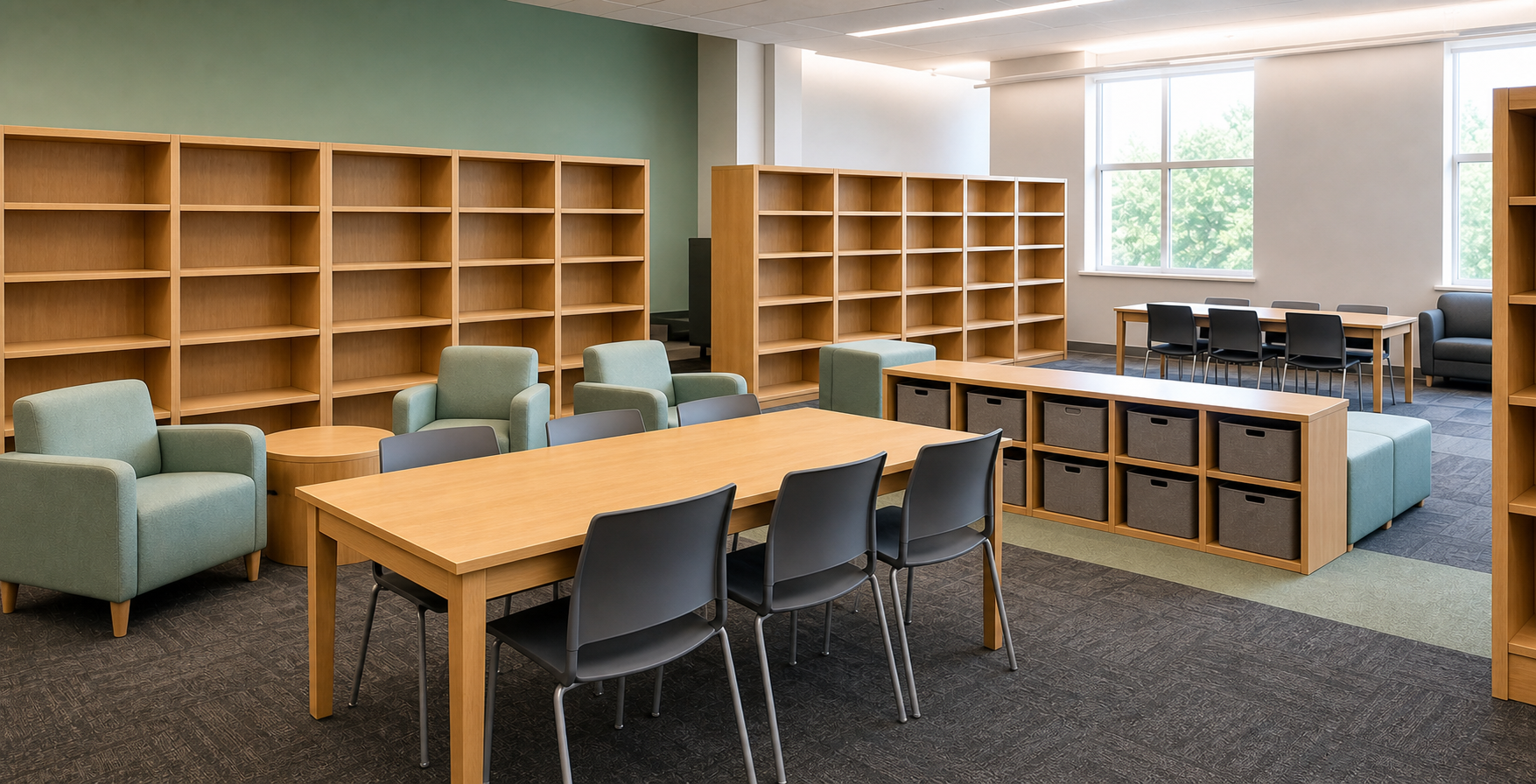
- Library furniture
- Laboratory furniture
- Reception desks
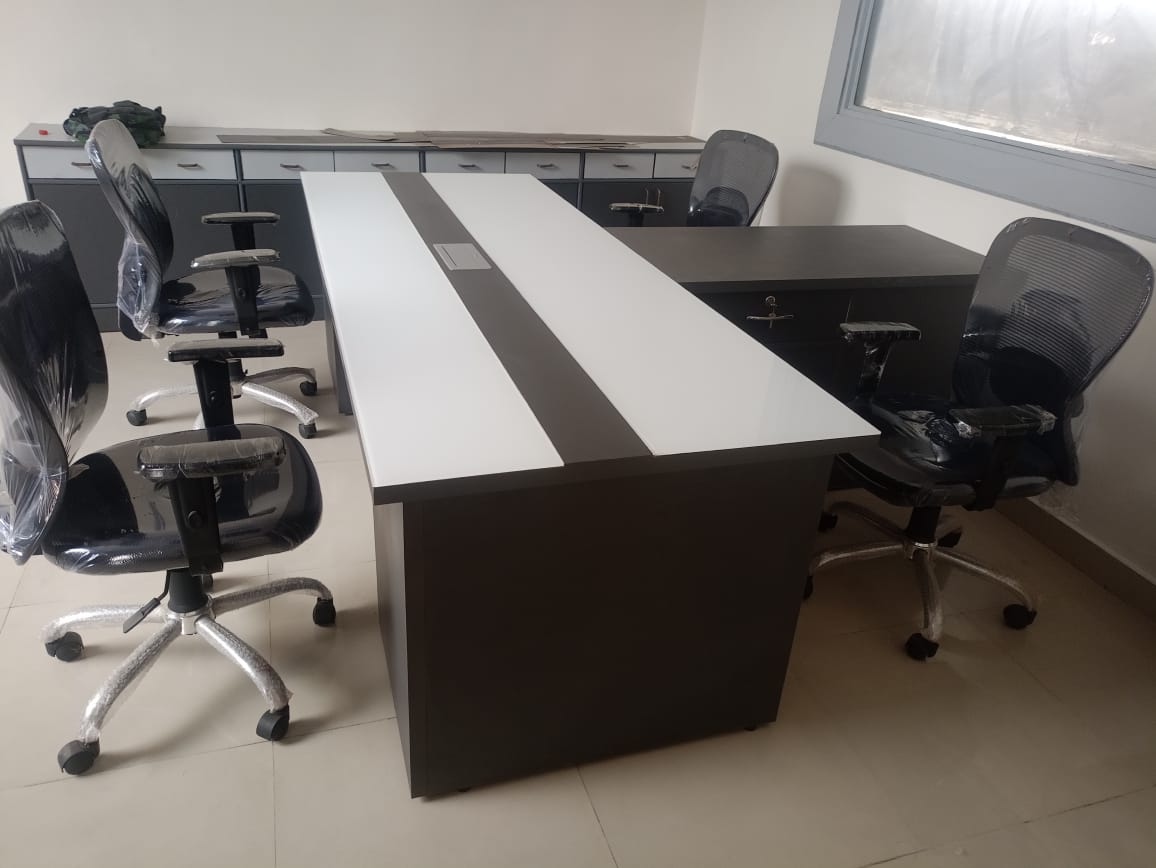
- Conference tables
- Storage cabinets
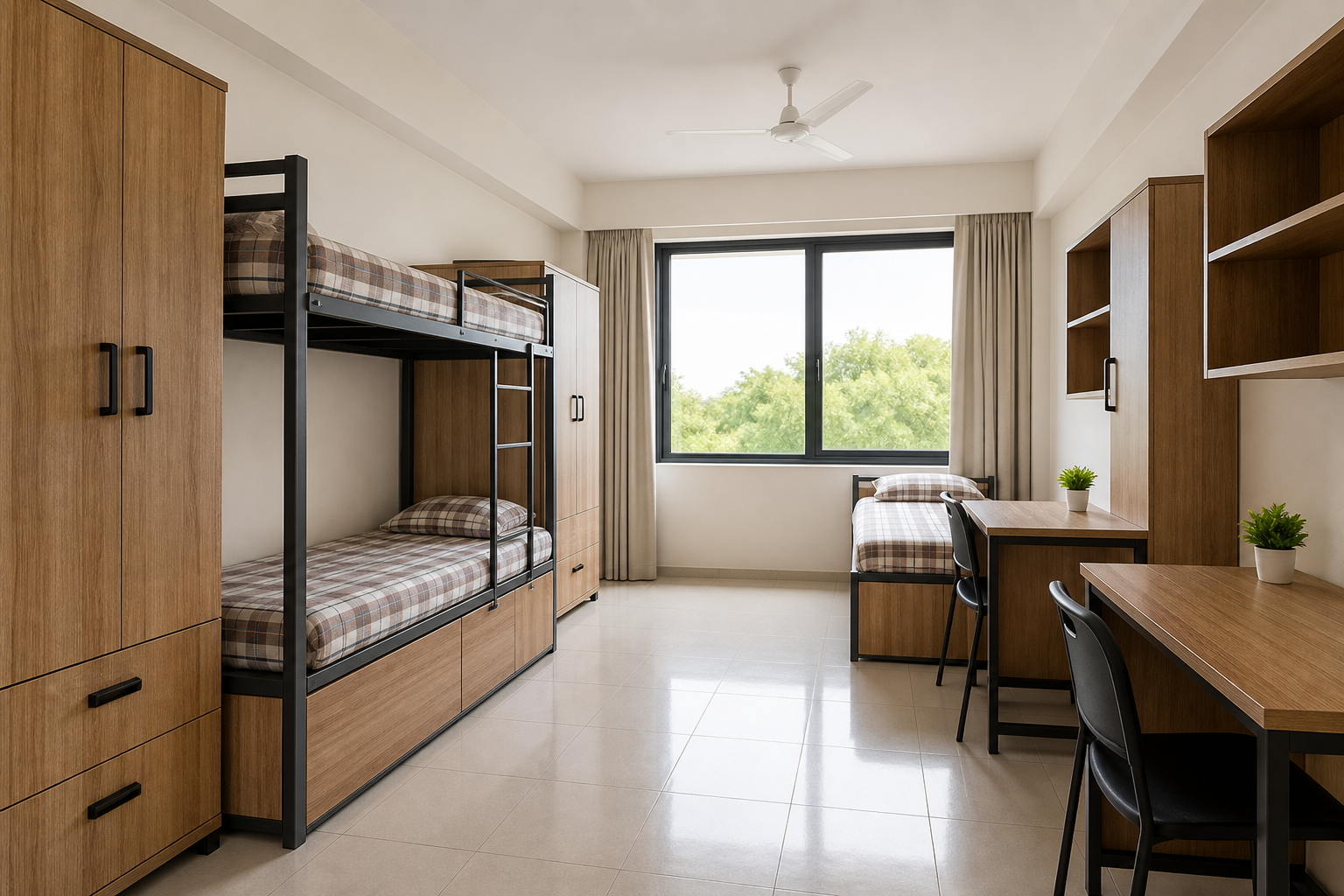
- Hostel furniture
- Auditorium seating
- Training room furniture
- Computer tables
- Cafeteria furniture
The exact requirements depend on the type of institution, available space, number of users, and daily activities.
This is why choosing a supplier based only on product appearance or price can lead to problems later.
Why the Right Supplier Matters
Institutional furniture is normally purchased in larger quantities than residential furniture. If one product has a quality problem, replacing a single item may be easy, but replacing dozens or hundreds of units can become expensive and time-consuming.
A dependable supplier should help you understand:
What you need → How much you need → Which materials are suitable → How the furniture will be used → How it will be delivered and installed
This approach reduces the chances of ordering furniture that does not suit your actual requirements.
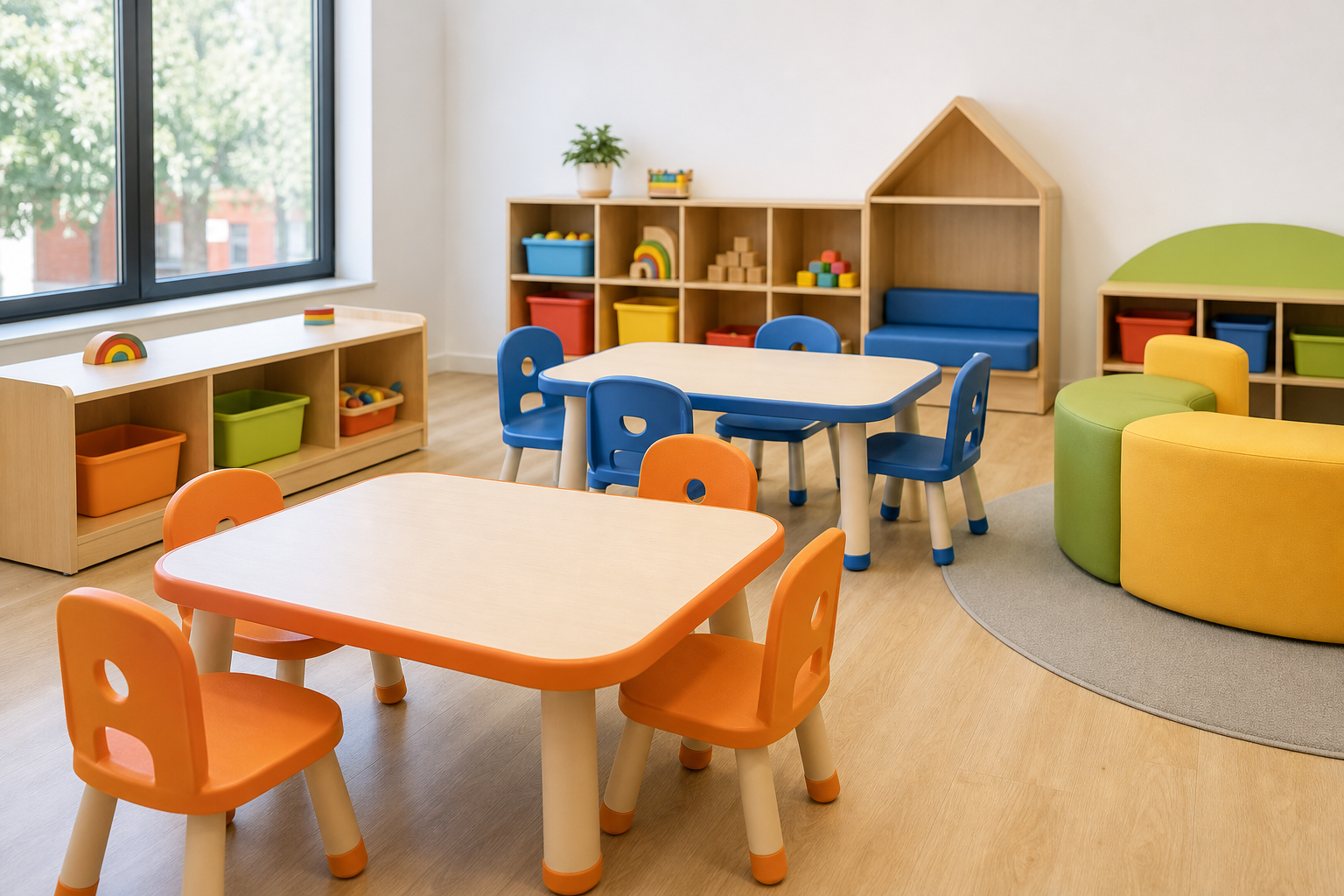
For example, a classroom desk should be selected according to student age, classroom size, seating arrangement, and expected usage. Similarly, laboratory furniture needs to consider the activities performed in the room rather than simply choosing a standard table.
1. Look at Product Quality and Construction
The first thing to evaluate is how the furniture is made.
Do not judge quality only by the surface finish. Look at the complete construction.
Important factors include:
- Frame strength
- Material thickness
- Joint quality
- Edge finishing
- Surface durability
- Hardware quality
- Stability
- Weight-bearing capacity
- Overall workmanship
For schools and institutions, furniture is exposed to frequent movement and everyday wear. Desks may be moved, chairs may be used continuously, and storage units may be opened repeatedly.
A supplier should be able to explain the materials and construction methods being used rather than simply saying that the product is “premium quality.”
2. Consider Comfort and Ergonomics
Comfort is particularly important in educational and institutional environments.
Students may spend several hours sitting in classrooms. Employees may work at desks for extended periods. Training participants may remain seated during long sessions.
Furniture should therefore be designed around the user’s needs.
For classroom furniture, consider:
- Appropriate seat height
- Desk height
- Back support
- Adequate legroom
- Comfortable seating position
- Smooth and safe edges
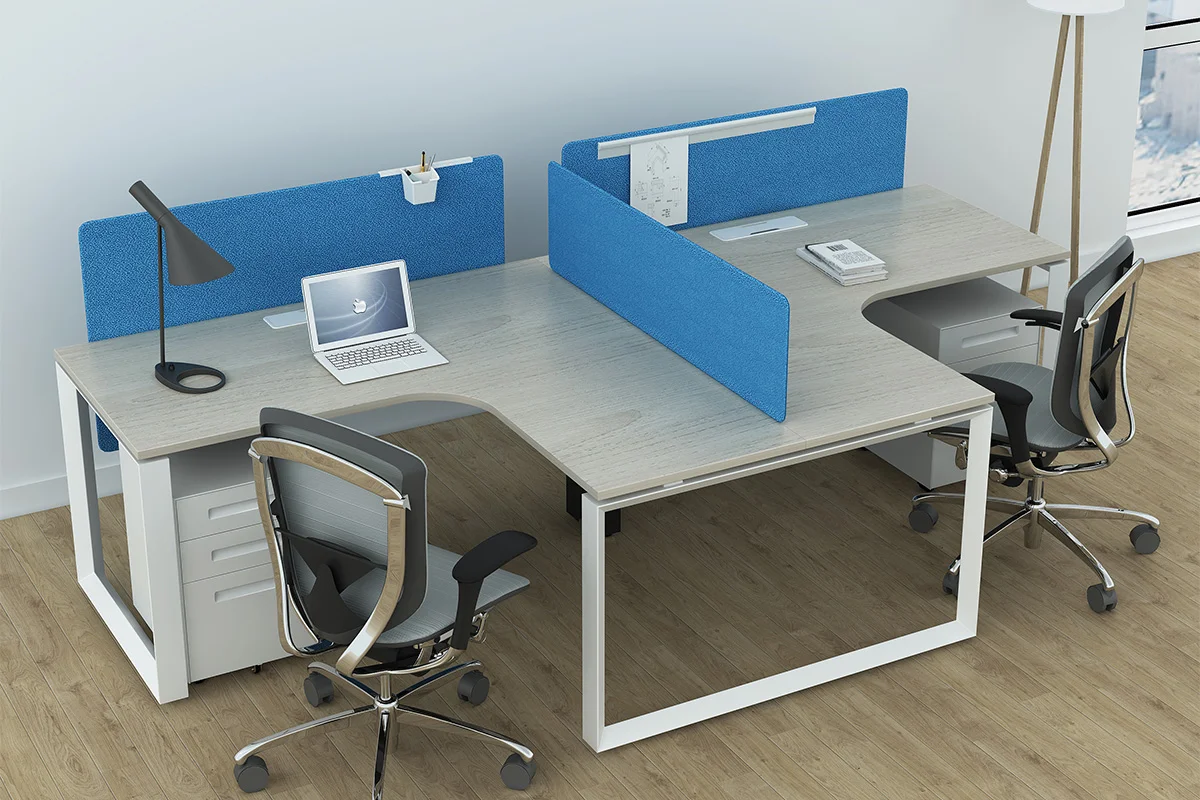
For office and institutional workspaces, consider desk height, workspace dimensions, seating comfort, and movement around the furniture.
Good ergonomics does not necessarily mean expensive furniture. It means selecting dimensions and designs appropriate for the people who will use them.
3. Check Whether Customization Is Available
Every institution has a different layout.
A standard product may work well in one classroom but may not fit another room. This makes customization an important factor when selecting a supplier.
Depending on the supplier’s capabilities, customization may include:
- Dimensions
- Colours
- Finishes
- Storage arrangements
- Desk configurations
- Seating layouts
- Material selection
- Branding requirements
For example, a school with smaller classrooms may require compact desks to maintain sufficient walking space. A training institute may need tables that can be rearranged easily for group activities.
A supplier who can understand these practical requirements can provide a more suitable solution than simply supplying standard products.
4. Evaluate the Supplier’s Range of Products
A supplier with a wider institutional furniture range can make project planning easier.
Instead of sourcing every category from different vendors, institutions may prefer a supplier who can handle multiple requirements.
For educational projects, the range may include classroom desks, chairs, teacher tables, library furniture, laboratory furniture, storage, and reception furniture.
For offices and training centres, requirements may include workstations, conference tables, office chairs, storage cabinets, reception furniture, and seating.
This is one reason many organizations compare School furniture suppliers in Ghaziabad based not only on individual product prices but also on their overall product range and ability to handle complete requirements.
5. Ask About Bulk Orders and Project Requirements
Institutional projects often involve significant quantities.
Before placing an order, clarify:
- Minimum order quantity
- Bulk pricing
- Production time
- Delivery schedule
- Installation requirements
- Packaging
- Replacement policy
- Warranty terms, if applicable
A supplier should provide clear information rather than leaving important details unclear until after the order is confirmed.
For large projects, it is also useful to finalize product specifications before production begins. This can help avoid differences in dimensions, colours, or finishes between batches.
6. Don’t Choose Only on the Lowest Price
Price is naturally an important part of an institutional purchase, but it should not be the only deciding factor.
A cheaper product may become more expensive if it needs frequent repairs or replacement.
Instead, consider total value.
For example:
Purchase price + expected maintenance + durability + usability + replacement cost
A slightly higher-quality product that lasts longer may offer better value over its useful life.
The goal should be to find furniture that fits the institution’s budget while still meeting reasonable standards of durability and comfort.
7. Check Delivery and Installation Capabilities
Furniture procurement does not end when the products leave the factory.
Large institutional orders may require coordinated delivery and installation. Delays can affect classroom preparation, office setup, or the opening of a new facility.
Before confirming an order, ask the supplier:
- Where do you deliver?
- What is the estimated delivery timeline?
- Is installation available?
- How is the furniture packed?
- Who handles unloading?
- What happens if an item is damaged during transportation?
Clear communication at this stage can make the entire procurement process smoother.
8. Look for After-Sales Support
Furniture can require maintenance over time.
A good supplier should have a clear process for handling genuine product-related concerns. This is particularly important for institutions because furniture is used regularly and in large numbers.
Ask about:
- Warranty terms
- Repair support
- Replacement parts
- Hardware replacement
- Service process
- Contact point for complaints
Do not assume that every supplier offers the same level of support. Ask for the terms in writing before placing a major order.
9. Verify the Supplier Before Placing a Large Order
Experience, Expertise, Authoritativeness, and Trustworthiness (EEAT) are useful principles when evaluating any furniture supplier.
Experience
Look at how long the supplier has been working with institutional or commercial furniture projects and whether they understand the requirements of your type of organization.
Expertise
A knowledgeable supplier should be able to explain why a particular material, dimension, or design is suitable for your application.
Authoritativeness
Look for genuine information about the manufacturer, product range, manufacturing capabilities, showroom, or completed work. Avoid relying only on promotional claims.
Trustworthiness
Clear pricing, specifications, timelines, warranty terms, and communication are important indicators of a professional supplier.
You can also request product samples or visit a showroom before finalizing a large order.
Why Consider Raydiom Furniture for Institutional Requirements?
Raydiom Furniture is based in Ghaziabad and provides furniture solutions for office, school, café, restaurant, and institutional requirements.
For an institutional project, the focus should be on understanding the actual requirement before recommending products. This includes considering available space, expected usage, quantity, design preferences, and budget.
Raydiom Furniture can cater to requirements such as school desks and chairs, classroom furniture, office furniture, workstations, storage solutions, tables, seating, and other commercial furniture categories.
A Simple Checklist Before You Finalize a Supplier
Before placing your order, ask yourself:
✔ Is the furniture strong enough for regular institutional use?
✔ Is the design comfortable for the intended users?
✔ Can the supplier provide the required quantity?
✔ Are customization options available if required?
✔ Are material and product specifications clearly explained?
✔ Is the delivery schedule realistic?
✔ Is installation available if required?
✔ Are warranty and after-sales terms clear?
✔ Does the supplier understand your specific type of institution?
If the answers are clear, you are in a much better position to make an informed decision.
Final Thoughts
Choosing institutional furniture should be treated as a planning decision rather than simply a shopping exercise. The right furniture needs to work for the people using it every day while also fitting the available space, budget, and operational requirements of the institution.
Whether you are setting up a new school, upgrading classrooms, furnishing a training centre, or planning an office project, compare suppliers based on quality, expertise, customization, delivery, durability, and service.
If you are evaluating an institutional furniture supplier in Ghaziabad, take the time to discuss your complete requirement, inspect the products, understand the specifications, and clarify commercial terms before placing a bulk order. A thoughtful selection today can help your institution create spaces that remain comfortable, functional, and useful for years to come.